Nepal has begun burying some of the bodies recovered from the devastating floods that swept through parts of the country, as the death toll from the disaster has risen to 752.
Authorities began the burials after taking DNA samples and recording identification details from the bodies, allowing relatives to identify and reclaim the remains later if matches are established.
The decision to bury the unidentified victims was taken because many of the bodies had started to decompose, while the country’s morgues were becoming overwhelmed by the large number of remains recovered after the disaster.
Nepal is predominantly Hindu, and the traditional practice is to cremate the dead. The temporary burials are therefore intended to preserve the remains until families can be identified and proper funeral arrangements made.
The disaster was triggered by a massive glacier and rock collapse along the Nepal-China border, sending huge volumes of water, mud, rocks and debris through valleys and communities.
The flooding destroyed homes, roads, bridges and other critical infrastructure, while several areas were cut off from the rest of the country. Hydropower facilities were also badly affected, with hundreds of workers still unaccounted for in flooded tunnels.
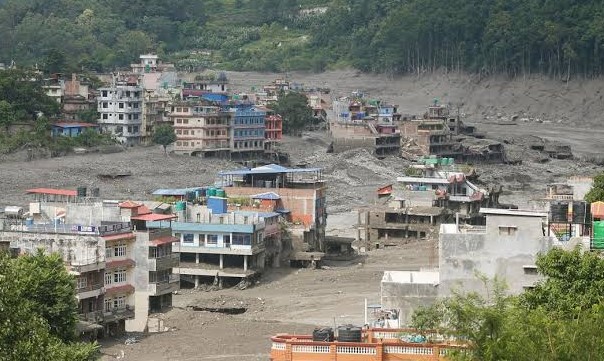
Rescue teams are continuing to search for survivors and missing people, but their operations have been slowed by bad weather, difficult terrain, rising water levels and large quantities of mud and debris.
Among the most difficult rescue operations are efforts to reach workers believed to be trapped inside tunnels at damaged hydropower projects. Nepal has requested specialised technical assistance from neighbouring India and China to help with the complicated tunnel rescue operations.
More than 3,000 people remain missing across Nepal and neighbouring Tibet, according to the latest reports, while hundreds of foreign nationals are also among those still unaccounted for.
The disaster has also left Nepal facing a huge reconstruction challenge. Roads, bridges, electricity infrastructure and communities will need to be rebuilt after the floodwaters caused widespread destruction.
The humanitarian situation remains serious, with survivors needing food, shelter, medical assistance and other basic supplies while families continue to wait for information about missing relatives.
As rescue teams race against time, authorities are now dealing with two painful tasks at once — searching for those who may still be alive and giving unidentified victims a dignified temporary burial.
For families still waiting for their loved ones, the DNA records collected from the bodies could become crucial in the days and weeks ahead as Nepal continues to identify victims of one of the country’s worst recent natural disasters.