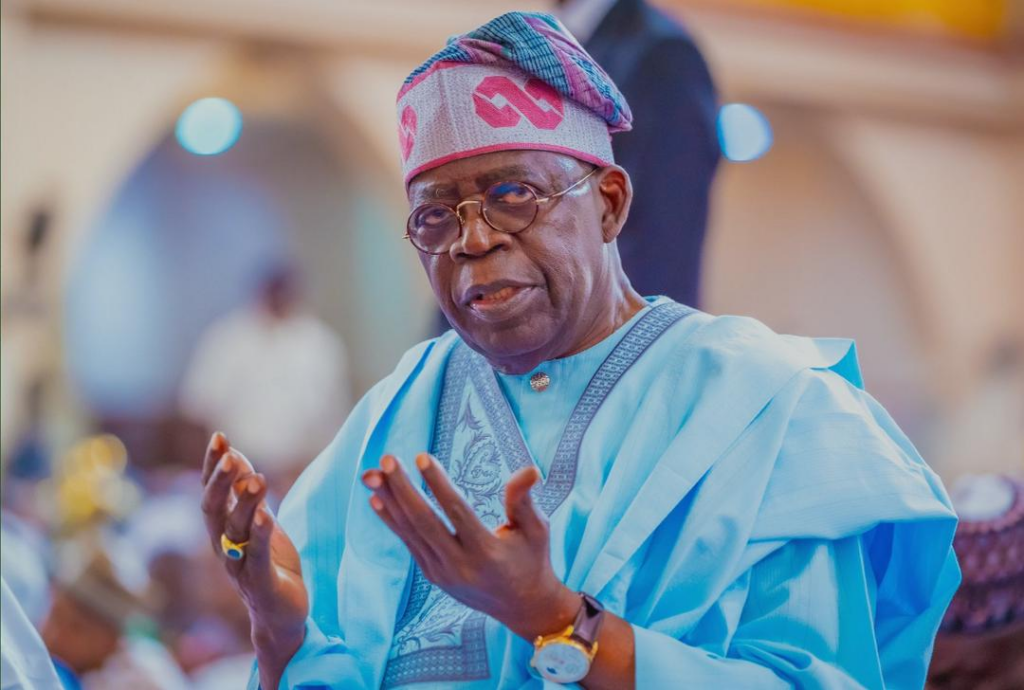
By Akeem Oduyoye
Nigeria slipped into a deeper security crisis on Wednesday as President Bola Tinubu declared a nationwide emergency and ordered the police, army and intelligence services to immediately recruit and deploy thousands of new personnel.
The move follows a sharp rise in mass abductions across several states within days.
Tinubu also asked the National Assembly to begin work on creating state police, saying the country needs stronger local security to stop the growing wave of kidnappings and terrorist attacks.
But his announcement sparked heavy criticism in both the Senate and House of Representatives. Many lawmakers condemned the Federal Government for negotiating with bandits after separate attacks in Kwara, Kebbi, Niger and Kano. They argued that talks with terrorists only encourage more kidnappings.
Lawmakers demanded punishment for whoever ordered the withdrawal of soldiers from a Kebbi girls’ school hours before 24 students were kidnapped. In Niger State, over 300 pupils and teachers were also seized after an attack on a Catholic school, while gunmen killed worshippers and abducted dozens in Kwara churches. These incidents forced the closure of many schools in at least nine states and 41 federal unity colleges.
Presidential aide Bayo Onanuga defended the negotiations, insisting that no ransom was paid and that security agencies avoided a rescue assault to prevent loss of lives. But senators rejected his explanation, warning that Nigeria is “under attack” and losing public trust.
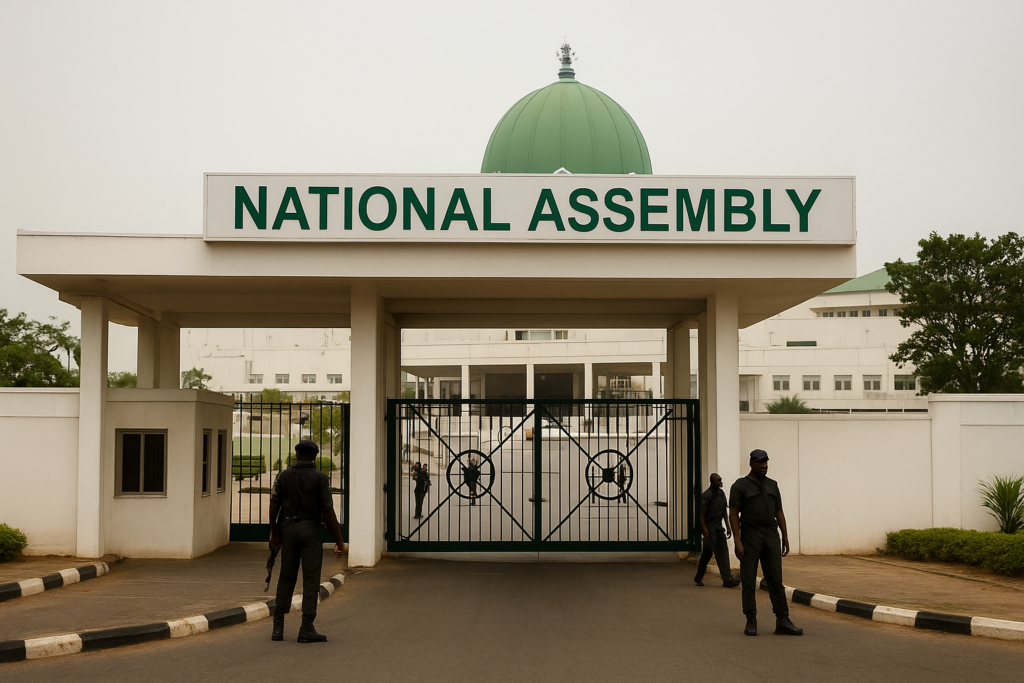
Inside the National Assembly, debates became heated as lawmakers raised concerns about intelligence failures, troop withdrawals, and alleged internal sabotage. Some called for foreign assistance, others demanded the death penalty for kidnappers, while a coalition of House members openly accused Tinubu of abandoning his duty by negotiating with criminals.
Opposition leaders, including former Vice President Atiku Abubakar, also criticised the government’s approach, saying terrorists now operate like “an alternative government” because they are engaged instead of arrested.
Responding to the crisis, Tinubu approved the recruitment of 20,000 new police officers—raising ongoing police intake to 50,000—and authorised the military and DSS to recruit more personnel. NYSC camps will temporarily serve as training centres, while officers withdrawn from VIP escort duties will be redeployed to dangerous zones.
Southern governors also met and declared that the creation of state police is now “non-negotiable,” insisting that only decentralised policing can protect schools, farms and border communities.
The Police Service Commission later inaugurated a joint committee with the Nigeria Police Force to fast-track the recruitment of 30,000 officers as directed by the President.
In Abuja, security agencies launched a new intelligence network with schools under Operation Sweep to prevent kidnappers from targeting institutions around the FCT.
Meanwhile, tragedy struck in Niger State after two parents of abducted pupils died—one from a heart attack and the other from illness—following the kidnapping of their children from St. Mary’s Catholic School. Church officials confirmed the deaths on Wednesday.