By Wellington Jopelo
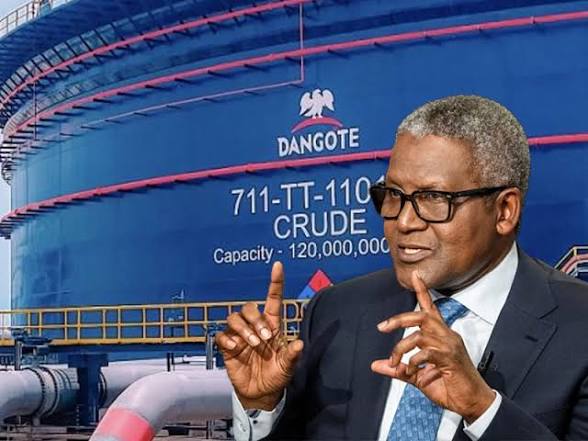
The Dangote Petroleum Refinery supplied about 92 per cent of Nigeria’s petrol in February, following a pause in petrol importation by the Federal Government. The development marks a major shift from Nigeria’s long-standing dependence on imported fuel.
Available supply data shows that local refineries delivered about 36.5 million litres of petrol daily, while imports accounted for only about three million litres per day. This brought the country’s total daily supply to around 39.5 million litres during the period.
Industry information indicates that no new petrol import licences have been issued this year, as local production is now largely meeting Nigeria’s demand for the product.
With the current output levels, domestic refining now accounts for roughly 92 per cent of petrol supply in the country, highlighting a significant change in the structure of Nigeria’s fuel market.
The Dangote refinery is presently the only facility producing petrol locally, while other smaller refineries are focused mainly on diesel and related petroleum products.
Despite a recent reduction in the refinery’s gantry price by about N100, many filling stations across the country continued to sell petrol at above N1,200 per litre.
Observers say the rise in local refining could help improve fuel supply stability and reduce the country’s long-standing reliance on imported petrol.
However, market analysts note that petrol prices may still fluctuate due to global crude oil prices and broader market conditions.
The growing role of local refining signals a new phase in Nigeria’s downstream petroleum sector, as domestic production begins to meet a larger share of national demand.
Experts say the coming months will show whether local refineries can consistently sustain supply without the need for fuel imports.