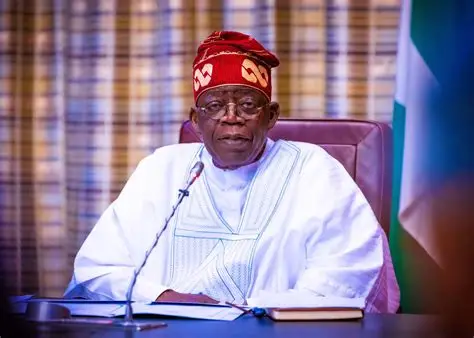
President Bola Ahmed Tinubu has officially assented to Nigeria’s 2026 budget, setting total spending at ₦68.32 trillion, the highest in the country’s history.
Alongside the new budget, the President approved an extension of the 2025 fiscal plan, shifting its implementation deadline from March 31 to June 30, 2026, to allow ongoing projects to be completed.
The newly signed budget places heavy emphasis on capital expenditure, with a large portion allocated to infrastructure and development projects aimed at stimulating economic growth.
Breakdowns from the fiscal plan show trillions of naira set aside for recurrent expenses, debt servicing, and statutory transfers, reflecting the scale of government commitments.
Officials say the extension of the 2025 budget is intended to prevent disruption of projects already in progress, ensuring that funds previously released are properly utilised.
The administration believes the overlap between both budgets will improve execution and reduce the number of abandoned government initiatives across sectors.
The 2026 appropriation is also expected to support key areas such as security, job creation, and economic reforms, as the government pushes to stabilise the economy.
Tinubu called for strict accountability in the implementation process, urging Ministries, Departments, and Agencies to ensure transparency and efficiency in spending.
He also acknowledged the role of the National Assembly in passing the budget, noting that cooperation between both arms of government remains vital.
Economic observers say while the budget is ambitious, its success will largely depend on execution and the government’s ability to manage rising financial obligations.
With the signing now complete, attention is turning to how effectively the funds will be deployed and whether the targets set can translate into real impact for citizens.