Wellington Jopelo
Every September, KwaZulu-Natal becomes the centre of one of Southern Africa’s most important traditional ceremonies as thousands of young Zulu women gather at a royal palace carrying long reeds above their heads. Known as uMkhosi woMhlanga, or the Reed Dance, the ceremony is not simply a day of dancing. It is a cultural gathering built around Zulu identity, respect, discipline, womanhood, community and the passing of tradition from one generation to another.
The 2026 ceremony is taking place this weekend at eMashobeni Royal Palace in uPhongolo, KwaZulu-Natal, with the main celebrations scheduled for September 12 and 13. The first part of this year’s programme was held at eMachobeni Royal Palace in iNgwavuma from September 4 to 6, before the gathering moved to eMashobeni for the main royal proceedings.
At the centre of the ceremony is the reed itself. The young women, commonly referred to as maidens, collect and carry reeds as part of the traditional procession and present them to AmaZulu King Misuzulu kaZwelithini. The reed represents purity, dignity and the values that the ceremony seeks to pass to younger generations. The presentation is accompanied by traditional songs, dancing, colourful clothing and other elements of Zulu culture.
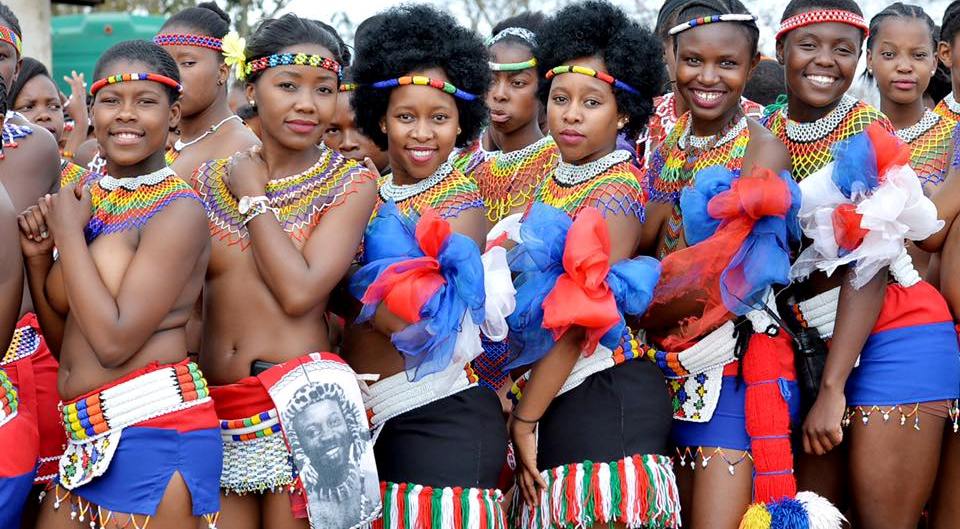
For someone seeing the ceremony for the first time, the sight can be striking. Groups of young women arrive from different communities, dressed in traditional Zulu clothing and carrying reeds, while older women and traditional leaders guide them through the activities. The event brings together people from different parts of KwaZulu-Natal around the royal household and gives younger members of the community an opportunity to experience traditions that have been passed down through generations.
The ceremony also has a strong educational side. Older women play an important role in guiding the maidens and teaching them about personal responsibility, self-respect, relationships, sexual health and the importance of making decisions that will protect their future. The Reed Dance has also been used to promote messages about abstinence, HIV prevention, teenage pregnancy and other issues affecting young people.
That social message remains important in KwaZulu-Natal, where the province has faced serious challenges involving teenage pregnancy and HIV. The provincial government has described the Reed Dance as a platform through which traditional values can be used alongside modern health messages to help young people make informed choices.
The cultural message was strongly expressed by Queen Nompumelelo Mchiza, a member of the AmaZulu royal family, in an SABC interview about the Reed Dance. Speaking to the maidens, she urged them to be proud of their identity and heritage and to protect the values represented by the ceremony.
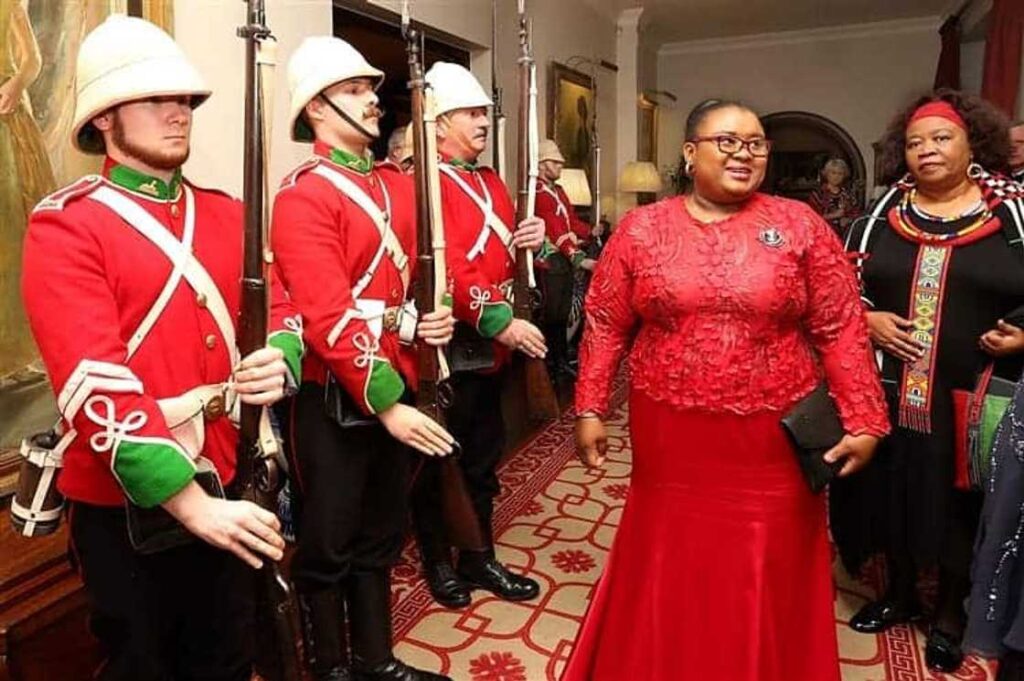
“We must be proud of what and who we are. We must preserve the little that we have,” Mchiza said, urging the young women to take responsibility for themselves and their future.
Her message captures one of the main reasons the Reed Dance continues to attract a large gathering. For its supporters, the ceremony is a way of making sure that Zulu culture does not become something that exists only in history books or museums. Instead, the culture is taught directly to young people through participation, music, clothing, language, dance, ceremony and contact with elders.
The Reed Dance therefore becomes a bridge between generations. Older women pass knowledge and values to younger women, while the young participants become the next generation responsible for carrying aspects of the tradition forward. In this way, the ceremony serves as a living classroom where cultural knowledge is transferred through direct experience.
Although the ceremony has ancient cultural roots, its present-day form in KwaZulu-Natal was revived by the late King Goodwill Zwelithini kaBhekuzulu in the 1980s. The revival was linked not only to the preservation of Zulu culture but also to social concerns, particularly encouraging young women to delay sexual activity until marriage and helping address the spread of HIV.
That history is important because it explains why the Reed Dance carries more than one message. It is a cultural celebration, but it has also been used as a platform for conversations about behaviour, health, responsibility and the future of young people.
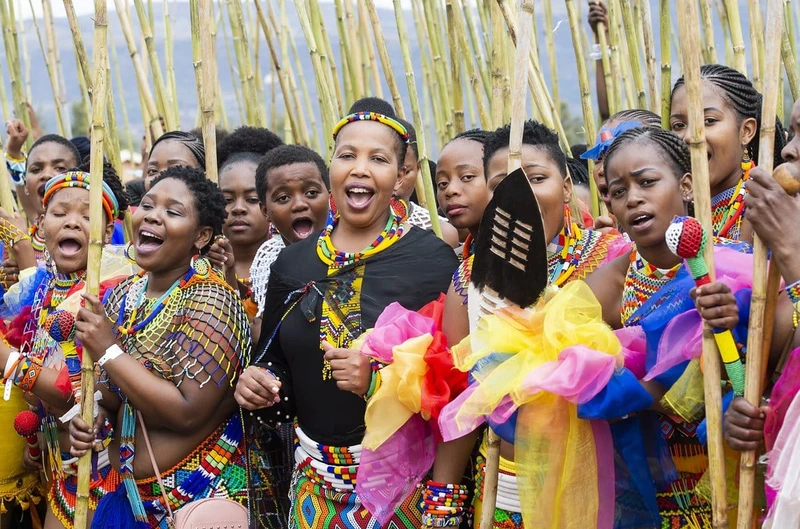
The ceremony has changed with time as well. Modern transport, tents, microphones, television, radio and social media have made it possible for much larger numbers of people to participate and follow the event. What was once largely a community-based traditional gathering can now be watched by audiences far beyond KwaZulu-Natal. Yet many of the central elements remain connected to the old traditions of gathering, preparing, carrying reeds, singing, dancing and presenting them before the royal household.
The role of the Zulu King is central to the ceremony. King Misuzulu kaZwelithini is the current AmaZulu monarch and succeeded his late father, King Goodwill Zwelithini, after his death in 2021. The Zulu monarchy has a ceremonial and cultural role in modern South Africa, and the King is closely associated with the preservation and promotion of Zulu heritage.
This year’s ceremony is particularly significant because the main gathering is taking place at eMashobeni Royal Palace in uPhongolo. The Reed Dance was historically associated with the royal setting at eNyokeni in Nongoma, but eMashobeni has become another important venue under King Misuzulu. The 2026 programme’s two-stage arrangement brings the ceremony to different royal locations while maintaining the central tradition.
The size of the event also shows how important it has become beyond the immediate royal household. Bringing tens of thousands of people together requires transport, accommodation, sanitation, medical services, security and traffic management. KwaZulu-Natal authorities have been carrying out road-safety checks on buses transporting maidens to the event, with more than 80 traffic officers deployed as part of preparations.
The Reed Dance has also become an important cultural-tourism event. Visitors are drawn to the traditional clothing, music, dancing and royal ceremony, while local communities benefit from the movement of people and spending around transport, food, accommodation, crafts and other services. The festival therefore connects cultural preservation with economic activity and tourism in the province.
There is also a wider African story in the ceremony. Across the continent, traditional festivals are increasingly being used to keep indigenous languages, customs, music, clothing and values alive at a time when young people are exposed to global culture through television, music, social media and the internet. The Reed Dance represents one example of a community choosing to keep a visible connection between its younger generation and its traditional identity.
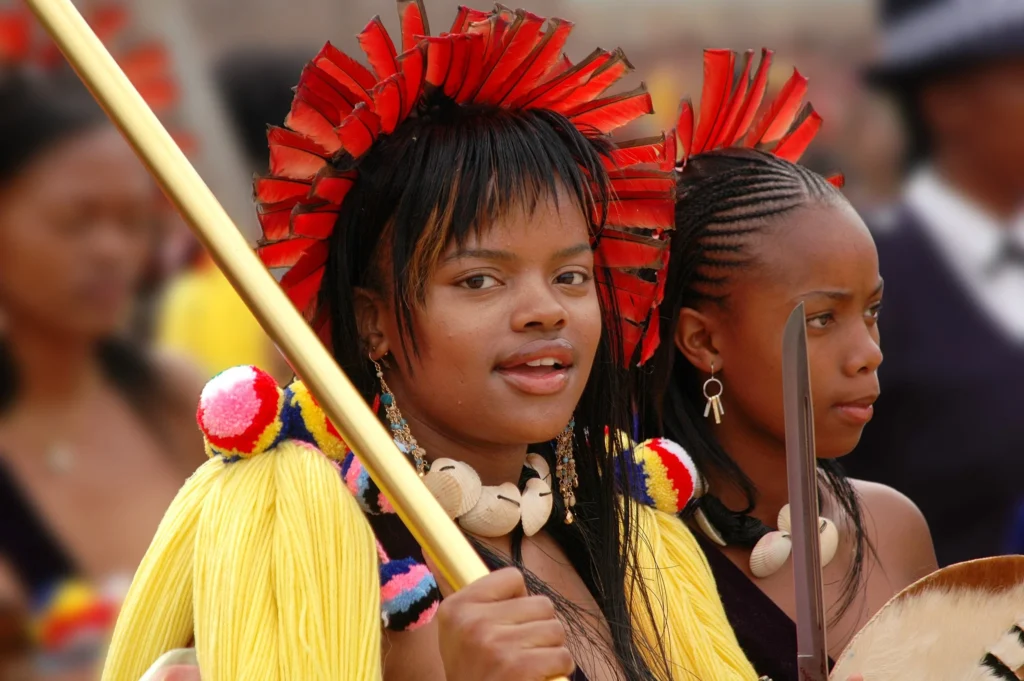
At the same time, the ceremony has not been without debate. Some of its practices, particularly those connected with virginity and traditional expectations of young women, have attracted criticism and public discussion. Supporters see the ceremony as a voluntary expression of culture and a means of teaching responsibility, while critics have questioned some traditional practices and their place in modern society. The continuing debate is part of the larger question of how traditional customs can survive while adapting to contemporary ideas about health, rights and personal choice.
For the young women taking part, however, the ceremony is also about belonging. They are not simply appearing before a crowd; they are participating in an event that connects them with their families, communities, elders, royal traditions and the history of the Zulu people. Their songs, movements, clothing and reeds become part of a much larger expression of identity.
That may be the most important reason the ceremony continues to attract such numbers decades after its modern revival. The Reed Dance gives a younger generation a physical way to experience a culture that could otherwise become distant from everyday life. Queen Nompumelelo Mchiza’s appeal to the maidens to be proud of who they are and preserve what they have reflects that central idea: tradition survives when the next generation chooses to carry it forward.
The ceremony also demonstrates the continuing influence of traditional leadership in contemporary South Africa. While the Zulu monarchy does not govern the country in the way a political government does, the royal institution remains an important cultural symbol for many Zulu people. Events such as the Reed Dance give the monarchy a public platform to bring communities together and reinforce a shared cultural identity.
For many families, participation is also a source of pride. Young women do not attend only as individuals but as representatives of their families and communities. Their participation allows parents, grandparents and elders to see their cultural traditions being carried forward by a younger generation.
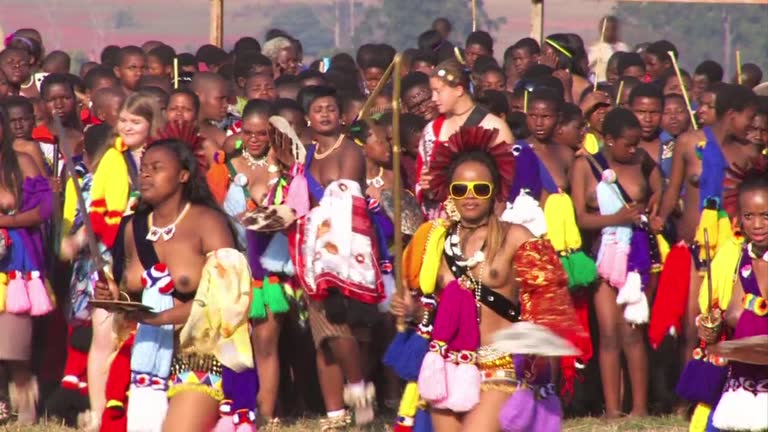
The ceremony’s meaning can therefore be understood at several levels. It is a royal gathering, a celebration of Zulu culture, a lesson in tradition, a social and health-awareness platform, a meeting point for communities and an important tourism event. Above all, it is an attempt to keep cultural knowledge alive by putting young people at the centre of its continuation.
On September 12, 2026, that tradition is once again on full display at eMashobeni Royal Palace in uPhongolo. Thousands of maidens have gathered with reeds for the royal proceedings and to take part in the songs, dances and ceremonies that have made uMkhosi woMhlanga one of the most recognised traditional festivals in Southern Africa.
As the gathering continues, the central message remains the same one expressed by Queen Nompumelelo Mchiza: a culture can only survive if those who inherit it value it enough to protect and pass it on.
About 30,000 women are presently waiting at the palace for the King.