Wellington Jopelo
Nigeria’s efforts to strengthen military cooperation across Africa have received fresh attention following the arrival of the Chief of Army Staff, Lieutenant General Waidi Shaibu, in Kigali, Rwanda, for a working visit focused on bilateral defence relations and responses to emerging security threats.
Shaibu’s visit, scheduled for October 18 to 23, 2026, is expected to provide an opportunity for Nigerian and Rwandan military officials to exchange ideas and explore areas of cooperation in addressing security challenges affecting the continent.
The Nigerian Army chief travelled to Rwanda at the invitation of the Rwanda Defence Force Army Chief of Staff, Major General Vincent Nyakarundi. He was received on arrival by Nyakarundi alongside Nigeria’s Acting High Commissioner to Rwanda, Ambassador Ibrahim Zanna.
The engagement comes amid growing emphasis on regional partnerships to tackle security threats that increasingly extend beyond national borders. Terrorism, violent extremism and transnational criminal activities have made cooperation among African security institutions an important part of efforts to improve stability.
For Nigeria, closer military engagement with Rwanda offers an opportunity to strengthen professional relations between the two armed forces and explore areas of shared interest in defence and security. Such engagements can also create opportunities for exchanges involving military training, operational experience and institutional development, although specific agreements arising from the current visit have not been announced.
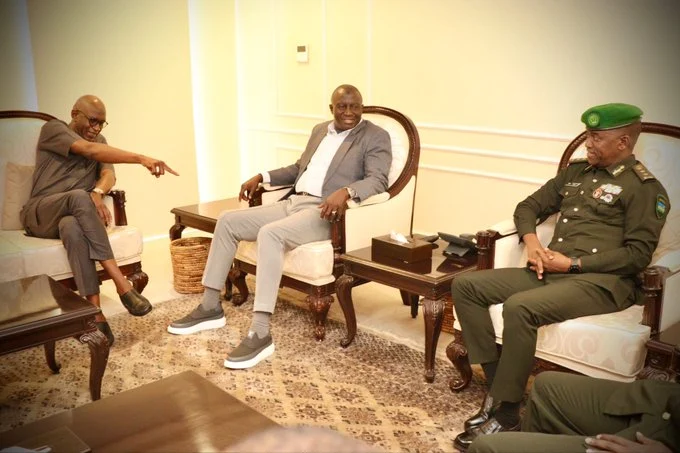
Shaibu’s visit also reflects the Nigerian Army’s wider interest in maintaining relationships with African military institutions as countries seek coordinated responses to security challenges.
Nigeria continues to confront multiple security threats, including insurgency in the North-East, banditry and kidnapping in parts of the North-West and North-Central regions, as well as other criminal activities that require sustained military operations and cooperation among security agencies.
Rwanda, meanwhile, has developed its own military experience through domestic security operations and participation in regional and international peace-support missions.
The outcome of the Kigali engagement will depend on the discussions held during the visit and any practical measures agreed upon by both sides. Further details of the programme and any specific cooperation arrangements had not been disclosed in the initial announcement.
The visit nevertheless underscores the importance of sustained defence diplomacy as Nigeria and other African countries seek to strengthen their capacity to respond to evolving security threats through professional engagement and cooperation.