Pakistan has stepped into the worsening confrontation between the United States and Iran, with Army Chief Field Marshal Asim Munir travelling to Tehran for talks as Washington prepares a major new economic offensive against the Iranian government.
Munir’s visit comes at a critical point in the conflict, with Pakistan presenting the trip as part of its efforts to promote regional peace and stability. Iranian media reported that the army chief arrived in Tehran on Monday and was expected to meet senior Iranian officials and people close to the country’s leadership.
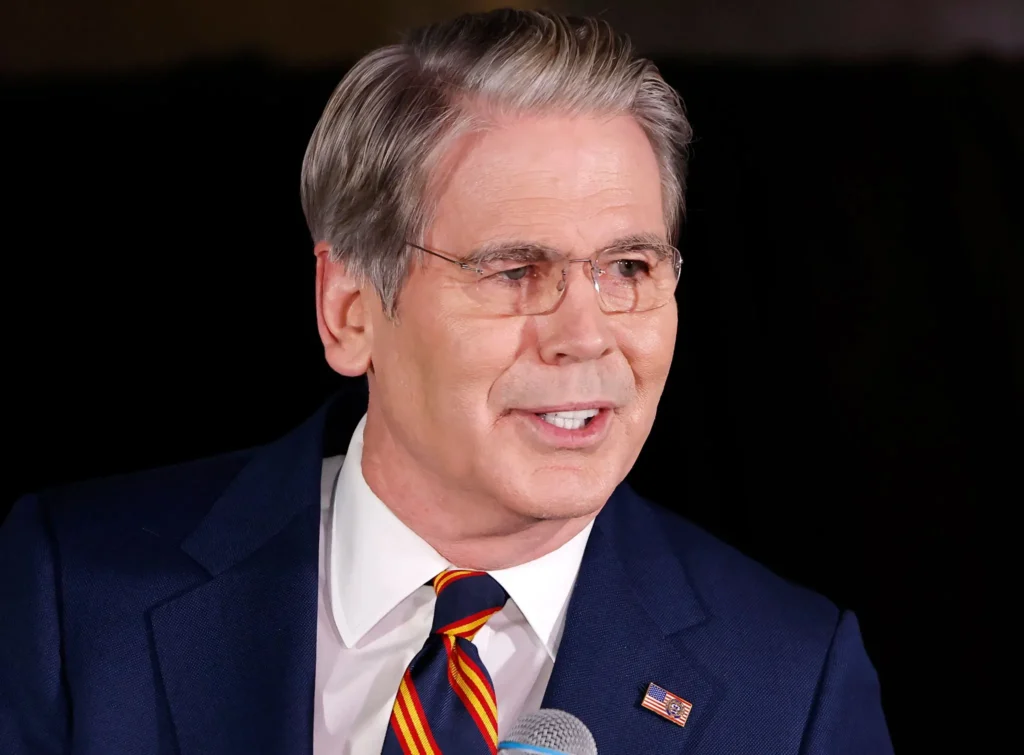
The diplomatic move comes just as the United States prepares what Treasury Secretary Scott Bessent described as an unprecedented financial campaign against Iran and countries that continue to trade with Tehran.
Bessent has labelled the planned measures an “economic D-Day,” signalling Washington’s intention to use sanctions and financial restrictions to put greater pressure on Iran and cut off what it sees as the country’s remaining economic lifelines.
Iran has responded angrily to the planned measures. Mohsen Rezaei, the head of Iran’s Supreme National Security Council, warned that countries supporting the American economic campaign could be treated as enemies.
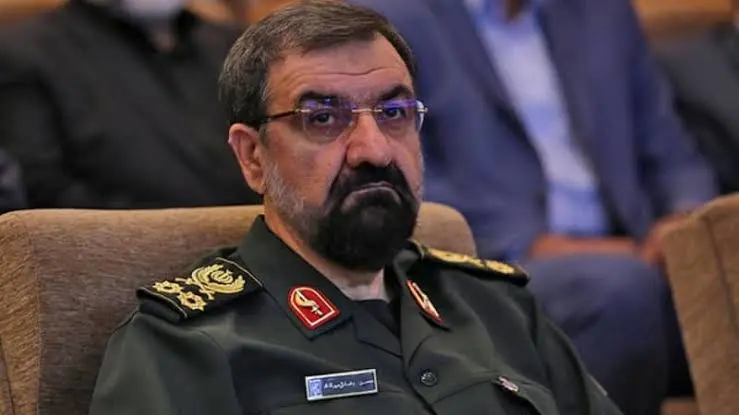
Tehran has also threatened a major response if the economic pressure continues, with Iranian officials warning that the country could move to halt oil exports from the Gulf and further restrict shipping through the strategically important Strait of Hormuz.
The Strait of Hormuz has become one of the most sensitive points in the crisis because of its importance to global energy supplies. Any prolonged disruption to shipping through the waterway could have wider consequences for oil prices, international trade and economies that depend heavily on Gulf energy exports.
Pakistan’s involvement therefore comes at a time when the possibility of renewed confrontation remains high. Although the United States and Iran have not exchanged direct military strikes for several weeks, negotiations aimed at ending the conflict have stalled, while tensions around the Gulf and the Strait of Hormuz continue.
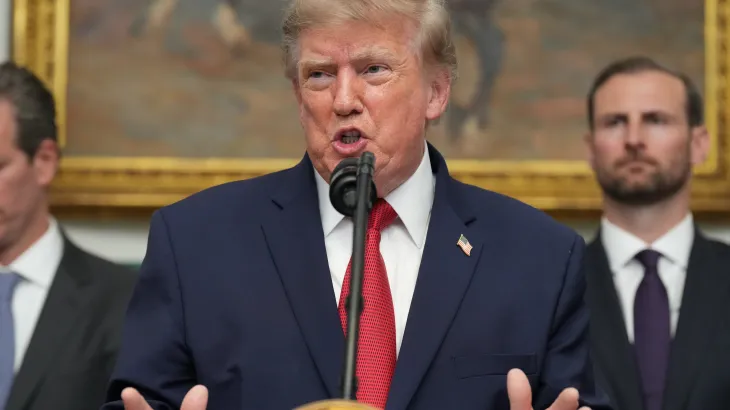
Munir’s role is particularly significant because Pakistan has maintained relationships with both Washington and Tehran. Reports also indicate that the Pakistani army chief spoke with US President Donald Trump before travelling to Iran, although details of that conversation have not been made public.
China, another major economic partner of Iran, has meanwhile criticised Washington’s sanctions strategy, saying pressure and economic restrictions will not provide a solution to the crisis. Beijing has also indicated that it will protect its own interests as the US increases pressure on countries doing business with Tehran.
With Washington preparing tougher economic measures and Tehran warning of retaliation, Pakistan’s latest diplomatic effort could become an important channel for preventing the crisis from escalating further. The outcome of Munir’s meetings in Tehran could determine whether the latest push produces movement towards negotiations or whether the confrontation enters an even more dangerous phase.