By Ranti Thomas
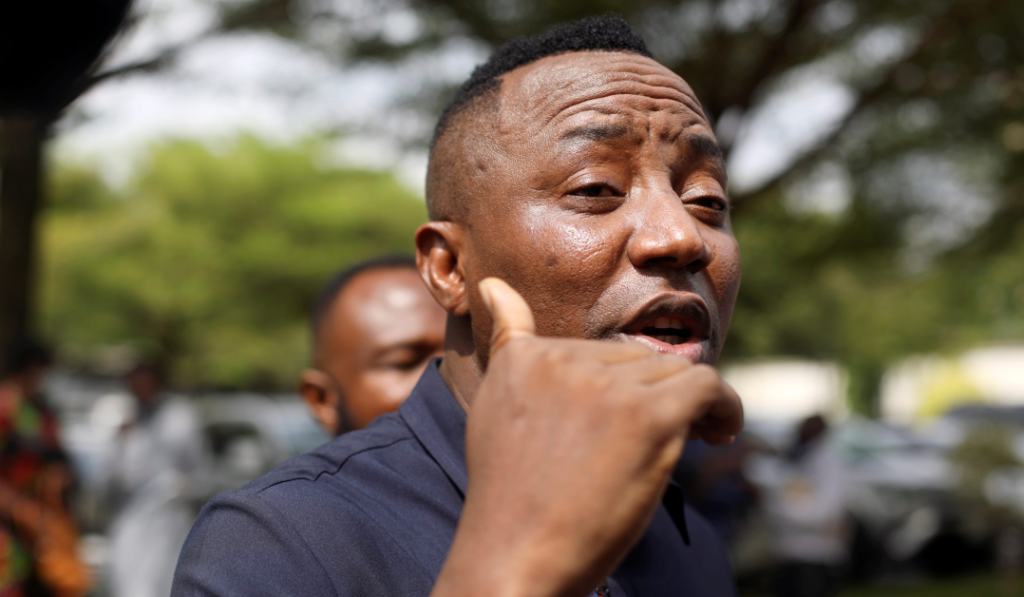
Human rights activist Omoyele Sowore has criticised the Nigeria Police Force over the arrest of three individuals linked to a viral report about businessman Tony Elumelu.
The controversy followed the circulation of claims alleging that Elumelu had separated from his wife—reports later dismissed as false by his company, United Bank for Africa.
Reacting to the arrests, Sowore argued that publishing such information, even if inaccurate, should not be treated as a criminal offence.
He maintained that issues of defamation fall under civil law and should be handled through legal suits rather than police detention.
The activist specifically called for the immediate release of the detained bloggers, insisting that law enforcement agencies should not be used to settle reputational disputes.
According to him, involving the police in such matters risks suppressing free expression and could set a troubling precedent for media and online platforms.
The arrests were reportedly made after UBA flagged the publication as defamatory and referred the matter to authorities, leading to action against those linked to the content.
The bank described the viral claim as fabricated and harmful, warning individuals spreading the information to take it down or face consequences.
The incident has since sparked wider debate over the boundaries between free speech and defamation, especially in Nigeria’s growing digital media space.
Legal observers note that while false publications can attract penalties, the method of enforcement—civil versus criminal—remains a key issue in such cases.
For now, the situation has drawn attention to how authorities handle online content disputes and the balance between protecting reputations and preserving fundamental rights.
As reactions continue, the case is likely to remain a talking point in discussions around media freedom, policing powers, and the evolving role of social platforms.