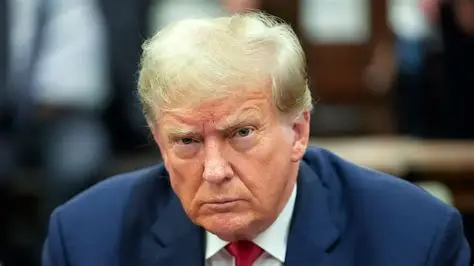
United States President Donald Trump has criticised major American oil companies, accusing them of making excessive profits from the ongoing conflict involving Iran and urging them to reduce fuel prices for consumers.
Speaking at the White House, Trump said companies such as ExxonMobil and Chevron had benefited significantly from the sharp rise in global crude oil prices triggered by the conflict in the Middle East. He argued that the companies should not take undue advantage of a crisis that has placed additional financial pressure on ordinary Americans.
“They’re making too much money based on a shortage,” Trump said, adding that he was unhappy with the huge earnings being recorded by the oil giants while consumers continued to struggle with higher prices at filling stations.
The President called on the companies to pass some of their gains back to the public by lowering the cost of petrol and other refined products, insisting that Americans should not bear the full burden of market disruptions caused by the war.
Trump’s remarks came after major U.S. oil producers reported substantial increases in quarterly profits, driven largely by higher crude oil prices following supply disruptions linked to the Iran conflict.
The conflict has unsettled global energy markets, with fears over oil supplies pushing prices higher and boosting revenues for energy producers. Analysts say the disruption has also contributed to increased fuel costs in several countries.
Despite criticising the companies, industry analysts noted that oil prices are largely determined by global supply and demand rather than individual corporate decisions, particularly during periods of geopolitical instability.
Energy executives have defended their financial results, arguing that higher profits reflect market conditions and the risks associated with investing in oil production during uncertain times. They also maintain that strong earnings help finance future exploration and production projects.
Trump, however, insisted that the current situation requires companies to show greater responsibility by easing the burden on consumers instead of focusing solely on record profits.
His comments have reignited debate over whether governments should intervene when geopolitical crises lead to windfall profits for energy companies, with some policymakers advocating measures to protect consumers from prolonged increases in fuel prices.
The latest remarks come as the Iran conflict continues to influence global oil markets, with investors closely monitoring developments that could further affect energy supplies and prices worldwide.