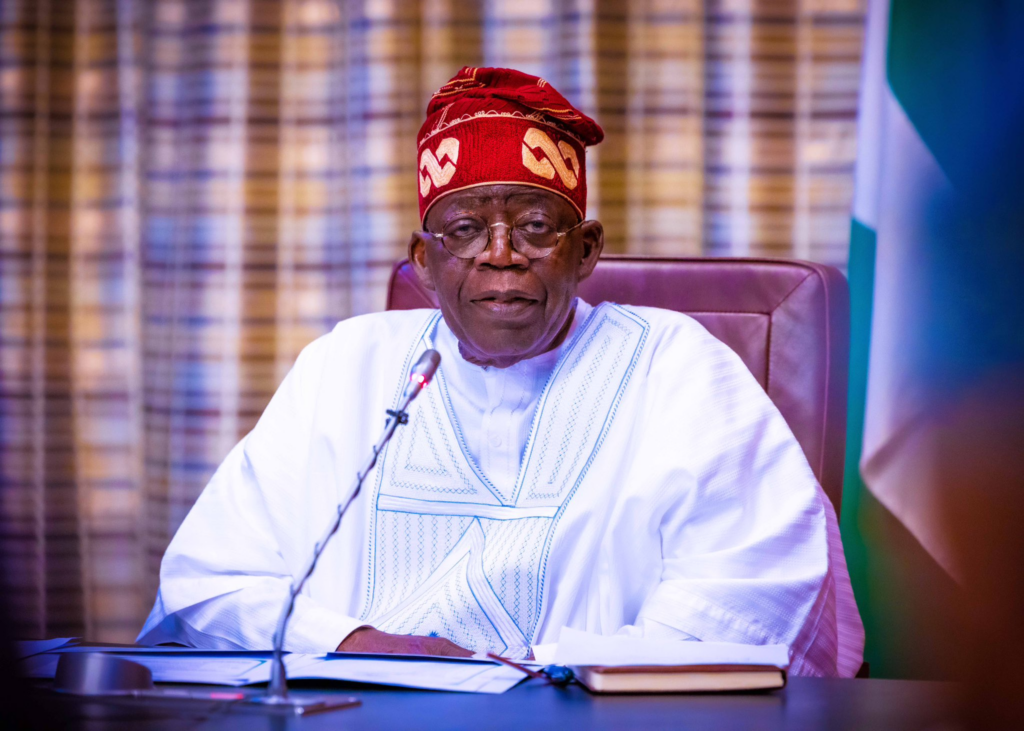
By Wellington Jopelo
Nigeria may soon witness one of the biggest changes to its security system since the return to democracy in 1999, as the Presidency says work on the legal and constitutional framework for state police is almost complete.
For decades, Nigeria has operated a single national police force controlled by the Federal Government. However, rising cases of terrorism, banditry, kidnapping, communal clashes and other crimes have led to growing calls for a policing system that allows individual states to establish and manage their own police services.
The Federal Government now says the long-discussed reform is moving closer to reality.
According to the Presidency, consultations involving the Federal Government, state governors, lawmakers, security experts and other stakeholders have reached an advanced stage. Officials say the constitutional changes needed to create state police are being fine-tuned and could soon be presented for final legislative action.
The push for state police gained momentum under President Bola Tinubu, who has repeatedly argued that Nigeria’s security challenges require more local solutions. Supporters of the proposal believe security officers recruited from local communities are more familiar with the terrain, language, culture and criminal activities within their areas than officers posted from distant parts of the country.
Many governors have also backed the idea, insisting that states need greater control over security operations if they are to effectively tackle crimes occurring within their territories.
Advocates say state police could improve intelligence gathering and allow for faster responses to emergencies. They argue that local officers often have a better understanding of community dynamics and can build stronger relationships with residents.
However, the proposal remains one of the most debated issues in Nigeria’s political and security circles.
Critics fear that some governors could misuse state police for political purposes, particularly during elections. Others have raised concerns about funding, oversight and the possibility of conflicting powers between federal and state security agencies.
To address these concerns, government officials say safeguards are being included in the framework to prevent abuse and ensure accountability. These measures are expected to define recruitment standards, operational guidelines, funding arrangements and oversight mechanisms.
The debate over state police is not new. Several national conferences, constitutional review committees and security panels have recommended some form of decentralised policing over the years. Yet successive administrations struggled to build enough political consensus to implement the idea.
The growing insecurity experienced across many parts of the country has renewed pressure for reform. From bandit attacks in the North-West to kidnappings in the South-West and communal violence in parts of the Middle Belt, many Nigerians believe the current security structure is overstretched.
If approved, state police would mark a major shift in how law enforcement is carried out across Nigeria. It would also represent one of the most significant constitutional reforms undertaken since the country’s return to democratic rule.
For now, attention is focused on the National Assembly and other stakeholders as Nigerians wait to see whether a proposal that has been debated for decades will finally become reality.