By Ranti Thomas
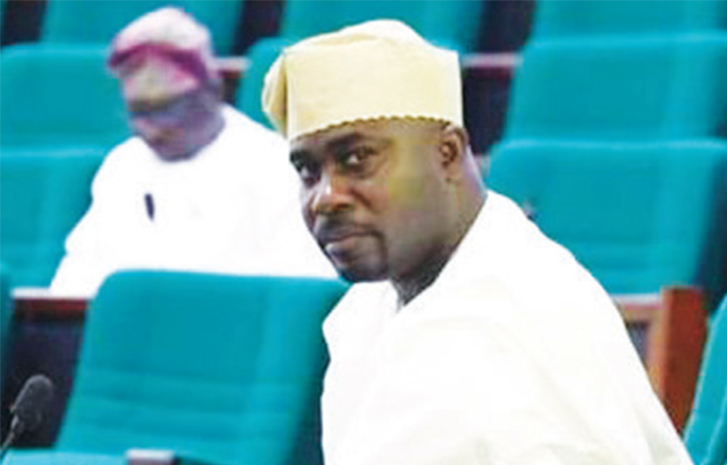
A philanthropist with a deep commitment to community upliftment, a seasoned lawyer with a disciplined and structured approach to leadership, a grassroots champion with measurable impact in local development, a respected political figure known for accessibility and responsiveness, a bridge between traditional influence and modern governance, and a results-driven leader focused on sustainable development, that is Kayode Moshood Akiolu.
In a political environment often driven by noise and short-term promises, Kayode Moshood Akiolu has steadily built a reputation as a results-oriented leader whose impact is felt most at the grassroots. As conversations around future representation begin to take shape, many constituents believe his performance justifies another term in office.
Born into the influential family of Rilwan Akiolu, the Oba of Lagos, Akiolu has intentionally carved out a political identity based on service rather than royal privilege. Over time, he has proven that his relevance goes beyond lineage, earning trust through consistency, accessibility, and measurable impact.
A trained lawyer, his approach to governance reflects structure and discipline. His legal background has shaped a methodical style of leadership focused on long-term solutions, careful policy engagement, and responsible representation. This has set him apart in a system where quick visibility often takes precedence over sustainable development.

As the representative of Lagos Island II in the House of Representatives, Akiolu has built a strong connection with his constituents. He is widely described as approachable and attentive, someone who listens before acting. This listening culture has translated into targeted interventions that directly address community needs.
Across key areas including Sangross, Tokunbo, Okekoko, Adeniji, Isale Eko, McCarthy, and the Brazilian Quarters, residents continue to acknowledge his presence and performance. His influence is no longer confined to his immediate constituency, as recognition of his work has spread across Lagos Central, East, and West.
Many constituents rate his performance as excellent, noting that he has distinguished himself as a true grassroots politician. His efforts are visible in communities that had previously experienced limited government attention, reinforcing the belief that he has worked hard and delivered where it matters most.
Investigations by Network Times indicate that Akiolu’s support base is not built on party loyalty or family background alone. Voters consistently point to his track record, stating that his projects and interventions have touched areas that had long been neglected. This has strengthened his credibility as a leader who delivers tangible results.
One of his most impactful contributions remains in education. Through scholarship schemes and financial assistance programmes, he has enabled many students to access quality education. These efforts have reduced the burden on families while creating opportunities for academic and personal growth.
In addition, his commitment to youth empowerment has been evident through digital training and skill acquisition programmes. These initiatives have equipped young people with relevant skills, positioning them for opportunities in an increasingly competitive and technology-driven world. His growing support among youths in Lagos Island reflects the direct benefits of these efforts.
Healthcare outreach is another area where his impact is felt. Though often low-profile, his community-based medical interventions have improved access to basic healthcare services for many residents, particularly at the grassroots level.
Politically, Akiolu is regarded within the All Progressives Congress as disciplined and dependable. However, his appeal goes beyond party lines. In a political climate where many voters align with the APC due to the influence of Bola Ahmed Tinubu, Akiolu stands out as one of the few politicians who attracts support based on personal performance rather than party structure alone.
His indigenous roots being widely recognized as a Lagos indigene from both paternal and maternal sides further strengthen his connection with the people. This cultural and political alignment continues to play a role in his broad acceptance across communities.
There is also a growing perception that Akiolu has distinguished himself enough to be considered for higher responsibilities in the future. Some observers have even drawn comparisons between his style and that of former Lagos governor Babatunde Fashola, particularly in terms of discipline, focus, and governance approach.
Despite these rising expectations, many constituents argue that continuity remains crucial. They believe that another term would allow him to consolidate ongoing projects, expand existing programmes, and deepen the impact already made across Lagos Island II.
Supporters maintain that leadership should be judged by performance, and in Akiolu’s case, they insist the evidence is clear. From education and youth empowerment to healthcare and grassroots engagement, his record reflects steady and meaningful progress.
As Lagos continues to evolve politically, Akiolu represents a model of leadership anchored in service, consistency, and community connection. For many of his constituents, granting him another term is not just a political choice it is a continuation of a leadership they believe is working.