
By Ranti Thomas, Wellington Jopelo
The Court of Appeal in Lagos is grappling with an unprecedented crisis as over 38,000 case files pile up, forcing the court to turn to massive shipping containers for storage and raising urgent questions about the pace of justice in Nigeria’s highest appellate court.
The presiding judge of the Court of Appeal, Hon. Justice Yargata Nimpar, has revealed that more than 38,000 case files are currently pending in Lagos, creating an unprecedented backlog in the court.

The enormous volume of cases has forced the Court of Appeal to purchase six 48-foot shipping containers to store the files. Typically used in international shipping, these containers are about 12 meters long, 2.4 meters wide, and 2.6 meters high large enough to hold thousands of documents. Despite this investment, the containers have already been filled, highlighting the scale of the problem.
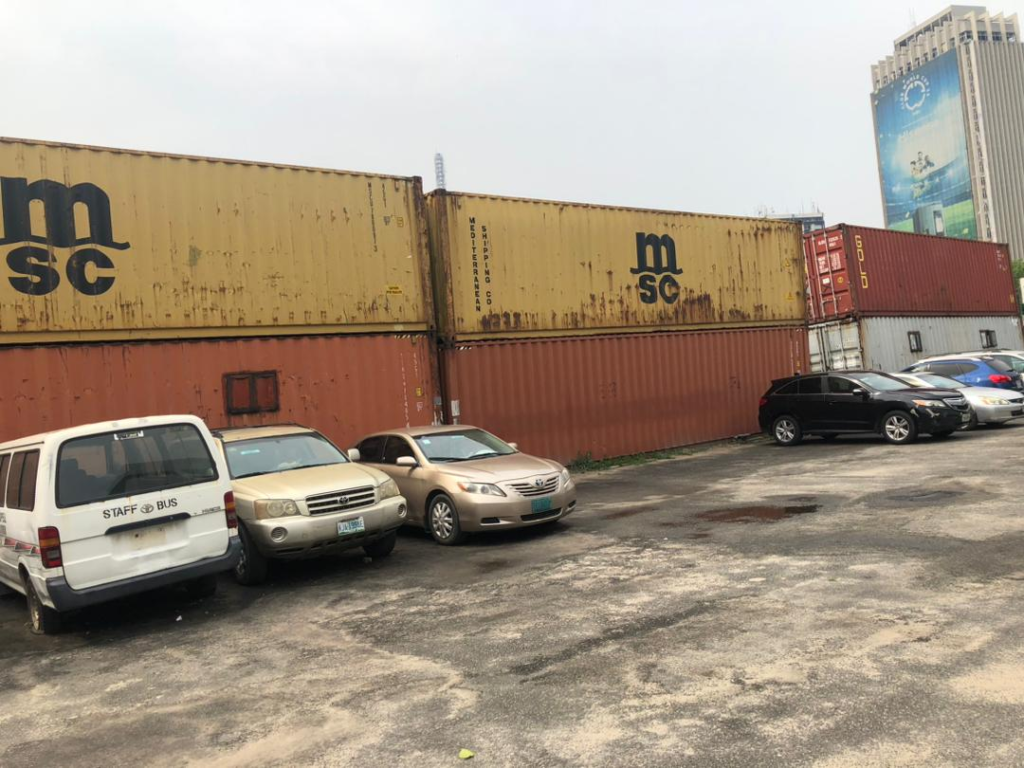
Justice Nimpar disclosed that managing the overwhelming volume of case files has placed a heavy financial burden on the Court of Appeal. In addition, investigations have shown that some case documents have gone missing, either intentionally or by accident. Those deemed to have been removed deliberately will face disciplinary action, with a special panel to investigate and discipline responsible parties.
A disciplinary presiding judge has vowed that all filed cases should “see the daylight,” meaning they should be called and addressed in court. According to the judge, cases that are not serious or where parties are not actively pursuing their matters will be deleted in open court to clear space and improve efficiency.
During a recent tour of the court premises, it was observed that 60% of the court’s space is filled with case files, even after purchasing the shipping containers. The backlog is so severe partly due to many lawyers and court staff reportedly turned the premises into a place to “file and dump” documents, worsening the storage and management problem.

To tackle the crisis, a committee has been established to review the backlog and implement strategies to handle the cases more effectively. The committee is expected to adopt a different approach to organizing and processing the files to prevent future accumulation.
Justice Nimpar has been praised for her strict and disciplined approach, often compared to former Justice Adesola Oguntade, a noted disciplinarian. Her leadership is evident in how she corrects junior lawyers on courtroom etiquette, language, dressing, and general conduct, turning the court into a learning environment for young counsel.

The court now faces difficult questions: can the panel handling the 38,000 cases, alongside the disciplinary panel investigating missing files, realistically clear the backlog within a year, especially as new cases continue to be filed daily? Observers are concerned that judges may be overstressed, and there could be a shortage of judicial manpower to handle the volume.
Security within the Court of Appeal has also been highlighted as an issue. Currently, only one of the two entrances to the court is operational. The second gate has been closed for unspecified reasons, prompting appeals from lawyers to reopen it. They suggest a controlled system that allows access while still limiting unnecessary traffic into the court.
The presiding judge has emphasized that accountability and efficiency must be central to resolving the backlog. Judges, court staff, and lawyers are all expected to cooperate with the committees and panels to ensure that cases are processed fairly and timely.
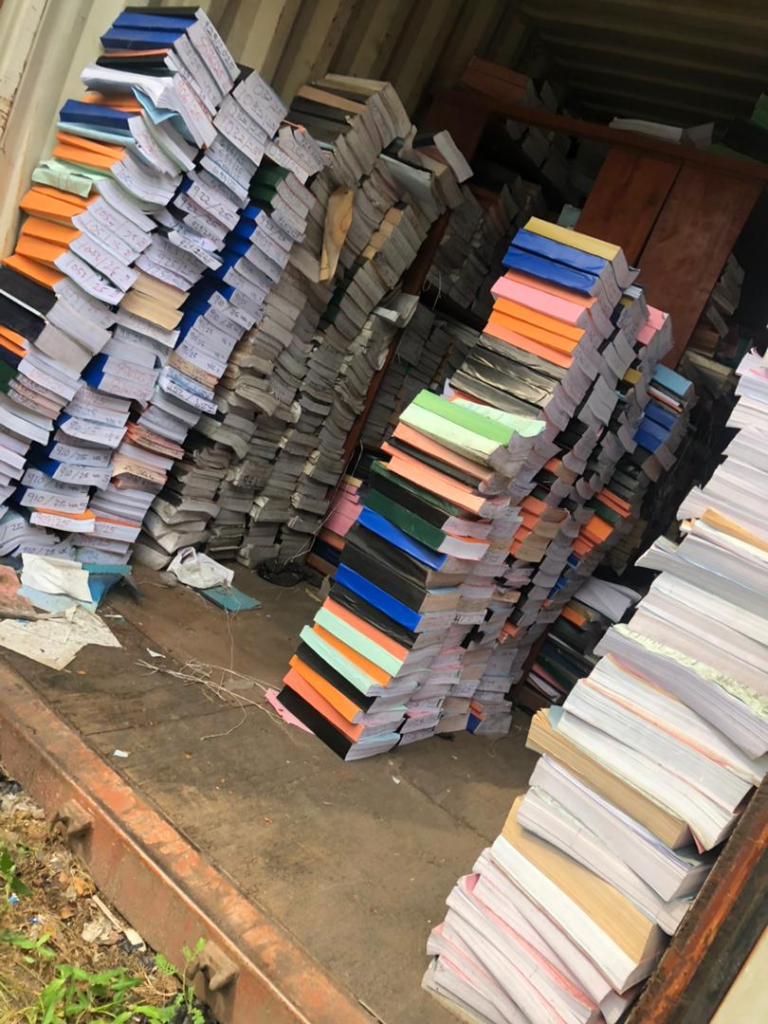
Experts say that addressing the backlog will require not just administrative reforms but also technological solutions, such as digitizing files, implementing better record-keeping systems, and enhancing coordination between judges and registry staff.
For now, the Court of Appeal is balancing between managing the massive accumulation of cases, investigating the missing documents, and maintaining courtroom discipline, all while ensuring justice is not delayed for litigants.
Lawyers and stakeholders are watching closely to see if the two panels can handle the workload effectively, or whether additional judges, improved infrastructure, and stronger administrative measures will be necessary.
The situation at the Court of Appeal in Lagos is a wake-up call for the Nigerian judiciary on the importance of proper case management, discipline, and security to ensure that justice is delivered efficiently.