The Federal Government has said it will not publicly release details of the proposed $5 billion loan arrangement from Abu Dhabi, despite growing public interest in the terms and structure of the facility.
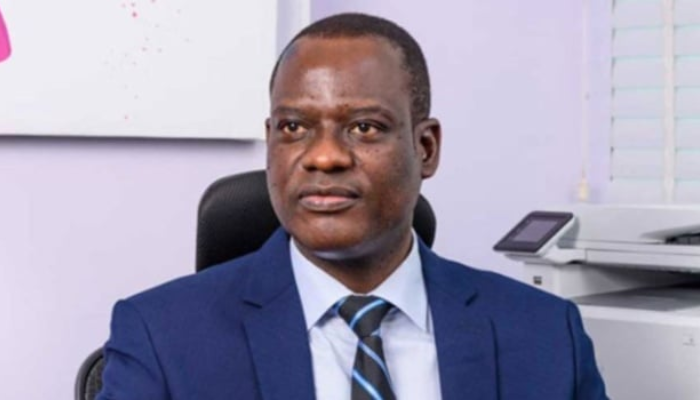
Finance Minister Taiwo Oyedele said the government would instead publish information on how public funds are spent generally, arguing that the First Abu Dhabi Bank facility should not be treated differently from other borrowings such as Eurobonds, World Bank loans or Sukuk.
The $5 billion facility was approved by the National Assembly on March 31, 2026, and Nigeria has already drawn about $1.5 billion from it in the first phase.
Oyedele said the government was deliberately accessing the money gradually rather than taking the entire $5 billion at once, explaining that drawing funds that are not immediately needed could increase borrowing costs.
He defended the financing arrangement, saying its major purpose was to help Nigeria replace more expensive debts with cheaper financing.
According to him, the facility operates on a flexible interest rate, meaning Nigeria could benefit if market rates fall, unlike some existing debts that were raised at fixed and higher interest rates.
The transaction has, however, attracted scrutiny over its structure and transparency. The International Monetary Fund and Fitch Ratings have raised concerns about the risks associated with such financing arrangements and the difficulty of fully tracking some derivative-based obligations.
Under the deal, the Federal Government is also expected to provide securities worth about 133 per cent of the amount drawn as collateral.
Oyedele insisted that the transaction did not bypass due process, noting that it was presented to and approved by the National Assembly.
The minister said the government would soon release a set of frequently asked questions to further explain the transaction, but maintained that there would be no separate publication detailing exactly how the funds from the Abu Dhabi facility would be spent.
The controversy has therefore shifted from the size of the loan itself to a bigger question of transparency, as Nigerians seek clearer information about the risks, conditions and long-term implications of the $5 billion financing deal.