By Wellington Jopelo
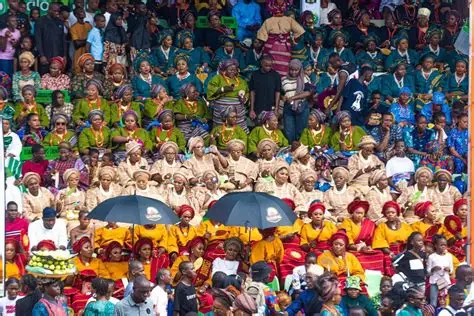
For more than a century, the Ojude Oba festival has stood as one of Nigeria’s most colourful cultural gatherings, drawing thousands of people to Ijebu-Ode in Ogun State every year. From richly dressed age-grade groups known as Regberegbe to horse-riding families, social elites, politicians, musicians, business moguls, and tourists, the event has grown beyond a local celebration into an internationally recognised symbol of Yoruba culture and identity.
But the 2026 edition carries a mood completely different from previous years. For the first time in decades, Ojude Oba is taking place without an Awujale seated on the throne of Ijebuland. The absence of a reigning monarch has changed the atmosphere around the celebration and shifted attention away from fashion, culture, and glamour to the growing royal succession battle threatening to divide one of Yoruba land’s most respected traditional institutions.
To understand why this year’s festival feels unusually tense, it is important to first understand what Ojude Oba truly represents to the Ijebu people and why the Awujale remains central to the entire celebration.
Ojude Oba, which means “The King’s Forecourt,” began in the 19th century as a simple gathering of Muslim converts who came to pay homage to the Awujale after the Eid-el-Kabir celebration. Historical accounts trace the roots of the festival to around 1879 when early Muslim converts in Ijebuland sought permission to openly practice Islam without fear of persecution. The then Awujale reportedly welcomed them and allowed peaceful coexistence between traditional worshippers, Christians, and Muslims.
Out of appreciation, the Muslim community began visiting the palace after Eid prayers to greet the king and offer prayers for peace and prosperity in the kingdom. Over time, the gathering evolved into a larger cultural celebration involving different families, warrior descendants, social clubs, and age-grade groups. What started as a religious homage slowly transformed into a yearly carnival showcasing the history, wealth, unity, and sophistication of the Ijebu people.
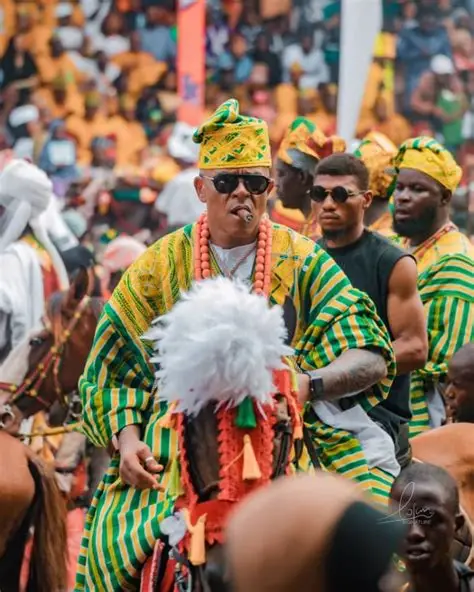
Today, Ojude Oba is no longer just a local festival. It is a massive cultural and economic event capable of attracting international tourists, celebrities, corporate sponsors, diplomats, and media organisations from across the world. Hotels in Ijebu-Ode and nearby cities become fully booked during the festival period. Fashion designers, makeup artists, photographers, food vendors, transport operators, and event planners also cash out heavily during the celebration.
One of the biggest attractions at Ojude Oba is the appearance of the Regberegbe groups. These are age-grade associations made up of men and women born within similar periods. Members often spend months preparing matching outfits, rehearsing performances, and planning grand entrances before appearing before the king. Their parades have become one of the defining features of the festival.
Another major spectacle is the Balogun horse-riding display. Descendants of ancient warlords and military families ride decorated horses through the festival grounds while displaying traditional weapons and cultural attire. The display symbolises bravery, prestige, and the military history of the Ijebu people.
For decades, the centrepiece of all these activities remained the Awujale of Ijebuland, Oba Sikiru Kayode Adetona. Installed in 1960 at the age of 26, Oba Adetona became one of Nigeria’s longest-reigning monarchs and one of the most influential traditional rulers in the country. During his reign, he modernised the institution of the Awujale and transformed Ojude Oba from a modest cultural gathering into a globally recognised festival.
Under Oba Adetona, the event attracted support from major companies, political leaders, and wealthy Ijebu indigenes both at home and abroad. The monarch was respected not only for preserving tradition but also for openly speaking on governance, corruption, and national issues. His influence extended far beyond Ogun State.
That is why his death created both emotional pain and political uncertainty within Ijebuland.
Now, with the throne vacant, attention has shifted toward the battle over who becomes the next Awujale. What should ordinarily be a traditional succession process has gradually developed into a complicated mix of politics, legal disputes, royal rivalry, and public drama.
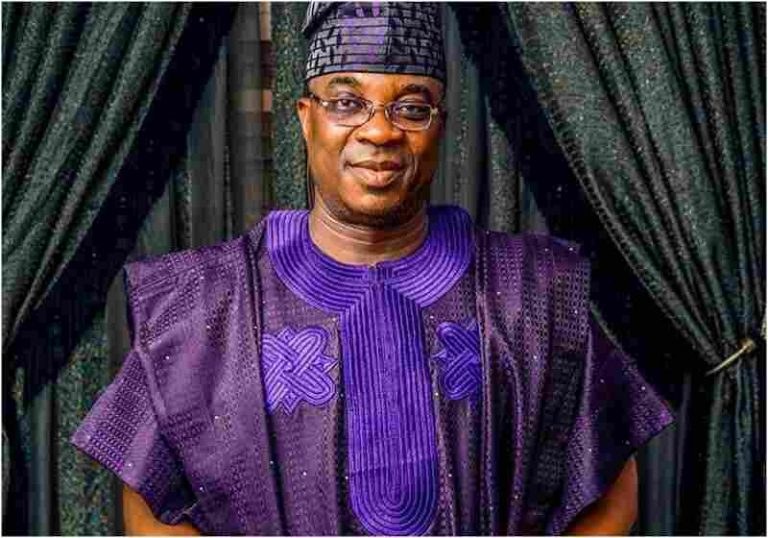
Several princes and influential figures have reportedly shown interest in ascending the throne, but one name that generated national controversy is that of Fuji musician Wasiu Ayinde Marshal, popularly known as KWAM 1 or K1 De Ultimate. The music star, who has strong influence in Yoruba cultural circles, reportedly expressed interest in the throne and later became involved in legal proceedings linked to the succession process.
KWAM 1’s involvement immediately divided public opinion. Supporters argued that he possesses deep cultural roots, influence, and the financial strength capable of sustaining the prestige of the throne. Critics, however, questioned both his eligibility and the appropriateness of his public involvement in such a sensitive traditional matter.
The controversy escalated after legal actions emerged challenging aspects of the selection process. Reports indicated that court cases were filed over whether due process was being followed according to the Ogun State Chieftaincy Law and the customs guiding succession in Ijebuland.
The Fusengbuwa Ruling House, one of the royal lineages connected to the Awujale stool, reportedly rejected KWAM 1’s claim to the throne, insisting he was not recognised as a legitimate candidate within the royal structure eligible to produce the next monarch.
The growing disputes exposed deeper divisions among royal families, political interests, and influential stakeholders within Ogun State. Some observers believe the struggle over the Awujale throne is no longer just about tradition but also about influence, prestige, land, economic power, and political control ahead of the 2027 elections.
The Awujale throne is one of the most respected traditional positions in the South-West. Whoever occupies it automatically becomes a major voice in regional politics and cultural affairs. Because of this influence, analysts believe political actors are carefully monitoring the succession process.
There are already quiet speculations within Ogun political circles that authorities may avoid rushing the installation of a new Awujale until after the 2027 elections to prevent further tensions or alignments capable of affecting political calculations in the state.
Some traditional chiefs and stakeholders are reportedly pushing for caution to avoid a succession crisis that could damage the unity and stability of Ijebuland. Others fear that installing a controversial candidate could trigger years of court battles and deepen divisions among ruling houses.
Despite the uncertainty surrounding the throne, the Ojude Oba festival itself continues to grow stronger. Social media has helped transform the event into one of Africa’s biggest cultural spectacles. Videos and photos from the festival now trend globally every year, especially among young Nigerians fascinated by the blend of tradition, luxury, and modern fashion.
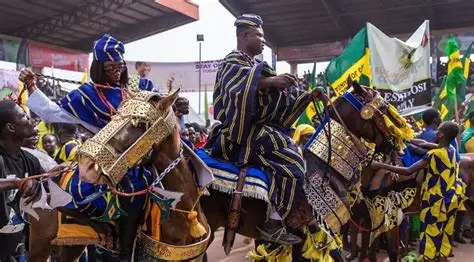
For many young attendees, Ojude Oba has become more than a cultural event. It is now a statement of identity and social status. Some families reportedly spend millions of naira preparing outfits, horses, jewellery, and logistics for the celebration.
Corporate organisations have also recognised the festival’s value, turning it into a major branding and tourism platform. In recent years, banks, telecom companies, beverage firms, and luxury brands have all sought visibility through Ojude Oba sponsorships and campaigns.
Yet beneath the glamour lies a kingdom searching for direction after the loss of a monarch whose reign defined an era.
This year, as thousands gather once again in colorful aso-oke outfits, riding horses and dancing before an empty royal seat, the festival may unintentionally reflect the deeper reality facing Ijebuland itself a community trying to preserve culture and unity while navigating one of the most sensitive succession battles in its modern history.