By Wellington Jopelo
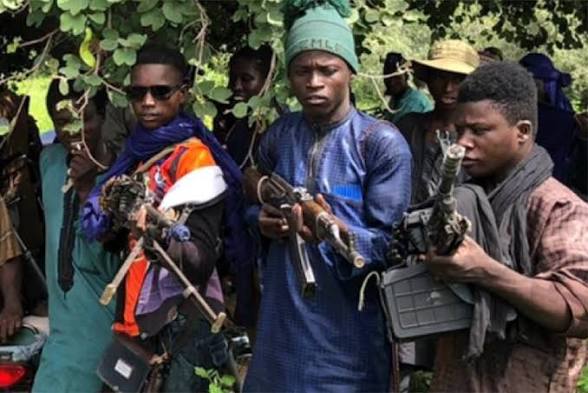
Growing concerns have emerged over the increasing use of forests and remote border routes by kidnappers and armed groups operating across the South-West, raising fresh fears about security in the region. Reports indicate that vast forest belts stretching through Oyo, Ogun, Osun, and Ekiti states are becoming major routes for criminals fleeing military operations in other parts of the country.
Security sources, hunters, and local vigilante groups say the criminals are taking advantage of weak surveillance in forest reserves and boundary communities to launch attacks, abduct victims, and escape without detection. The development comes amid a rise in kidnappings and violent attacks recorded across several South-West states in recent months.
Particular attention has been placed on the Old Oyo National Park, a vast forest reserve linking Oyo and Kwara states. Security experts believe the area has become a strategic route for criminal groups due to its dense vegetation and difficult terrain.
The issue gained national attention following the abduction of pupils, teachers, and residents in communities within Oriire Local Government Area of Oyo State. Investigations suggested that the attackers escaped through forest routes connected to the national park, making rescue efforts more difficult.
Military authorities have linked some recent kidnapping incidents in Oyo State to terrorists displaced from other parts of Nigeria as a result of ongoing military operations. According to defence officials, some of these groups are relocating and seeking refuge in remote forests where security presence is limited.
Aare Ona Kakanfo of Yorubaland, Gani Adams, has repeatedly warned about the growing security threat in the South-West. He recently claimed that armed groups have infiltrated dozens of local government areas across the region and called for stronger collaboration between governments and local security organisations.
According to Adams, the interconnected nature of forests stretching from parts of the North into the South-West allows criminal groups to move across state boundaries with ease. He argued that better intelligence gathering and forest surveillance are needed to prevent further attacks.
In Ogun State, residents and security observers have identified several forest locations around the Ijebu axis as areas frequently used by kidnappers. Routes linked to major highways and rural communities are said to provide easy access for criminal groups operating in the region.
Security analysts have warned that continued attacks on schools, farms, and rural communities could have serious social and economic consequences. In some affected areas, residents are reportedly avoiding farms, limiting travel, and relocating due to fear of abduction.
Experts are now calling for improved intelligence sharing, stronger support for regional security outfits, increased use of technology, and better coordination between federal and state security agencies to prevent the South-West from facing a deeper security crisis.