By Wellington Jopelo
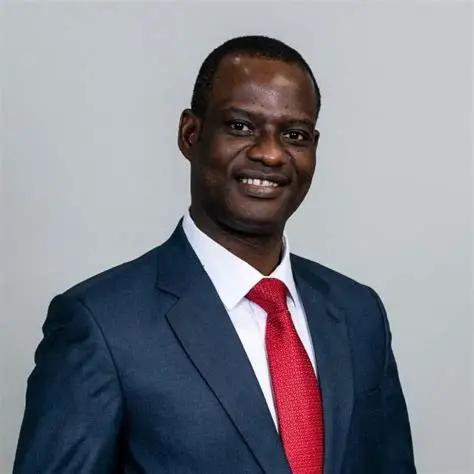
Nigeria’s economic management team has undergone a fresh adjustment following a minor cabinet reshuffle approved by President Bola Tinubu, bringing in Taiwo Oyedele as the new Minister of Finance and Coordinating Minister of the Economy.
The change was confirmed in a statement on Tuesday by the Secretary to the Government of the Federation, George Akume, who announced that the outgoing Finance Minister, Wale Edun, has been directed to formally hand over responsibilities.
Oyedele’s elevation marks a notable shift within the Federal Executive Council, placing a well-known fiscal policy expert at the centre of government’s economic decision-making structure.
Before this appointment, Oyedele was already a familiar figure in Nigeria’s reform space, having contributed extensively to debates on taxation, public finance, and economic restructuring through both advisory roles and policy committees.
His background spans over two decades in professional services and public policy engagement, including a long tenure at PwC where he rose to the position of Africa Tax Leader and Fiscal Policy Partner, overseeing operations across multiple countries.
He has also been deeply involved in government-driven reforms, most notably as chairman of the Presidential Committee on Fiscal Policy and Tax Reforms, which developed proposals that influenced recent tax legislation passed by lawmakers.
Over the years, he has served on several national and regional bodies, including the National Tax Policy Implementation Committee, ICAN Taxation and Fiscal Policy Board, and ECOWAS-related fiscal coordination groups.
Academically, Oyedele has pursued training in leading global institutions such as Yale, Harvard Kennedy School, and the London School of Economics, strengthening his expertise in leadership and economic governance.
Outside policy work, he is the founder of the Impact Africa Foundation, which supports education initiatives for disadvantaged children through scholarships and mentorship programmes.
His appointment comes at a time when the government is pushing ongoing fiscal reforms aimed at stabilising revenue systems and improving economic coordination across federal institutions.